If you’re considering installing solar panels on your home or business, what are the different types of solar panels, and which one is best for your needs? Choosing the right solar panel technology can impact your long-term energy savings, system efficiency, and overall satisfaction.
In this blog, we’ll walk through the three main types of solar panels available today, how they compare in terms of performance and cost, and how to determine which option best suits your space, goals, and budget. Whether you’re looking to power a residential property or plan a larger solar energy system, this guide will help you make a confident decision.
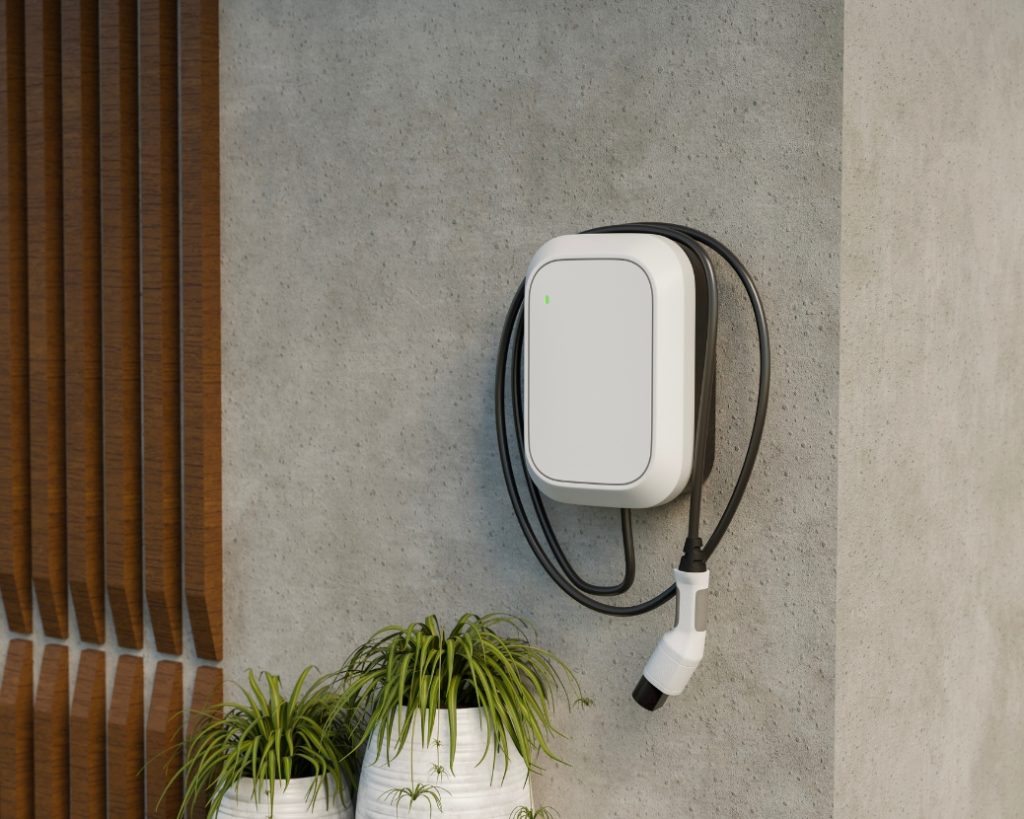
Understanding Home EV Charging Costs in Canada
The cost to charge an electric car at home in Canada largely depends on your electricity rate and your vehicle’s battery capacity. Most Canadian homes pay for electricity by the kilowatt-hour (kWh). To estimate the cost:
Formula:
(Battery size in kWh) × (Electricity rate per kWh) = Charging cost
For example, if your EV battery is 60 kWh and your rate is $0.15/kWh, a full charge costs around $9. This could give you 350–450 km of range, depending on your vehicle model and driving conditions.
Your actual expenses will also depend on:
- Daily driving distance – more kilometres driven means more frequent charging.
- Charging level – Level 1 chargers (standard outlets) are slower but use less electricity at one time; Level 2 chargers are faster but require installation.
- Charging schedule – charging during off-peak hours can reduce your per-kWh cost.
Monocrystalline Solar Panels: High Efficiency & Longevity
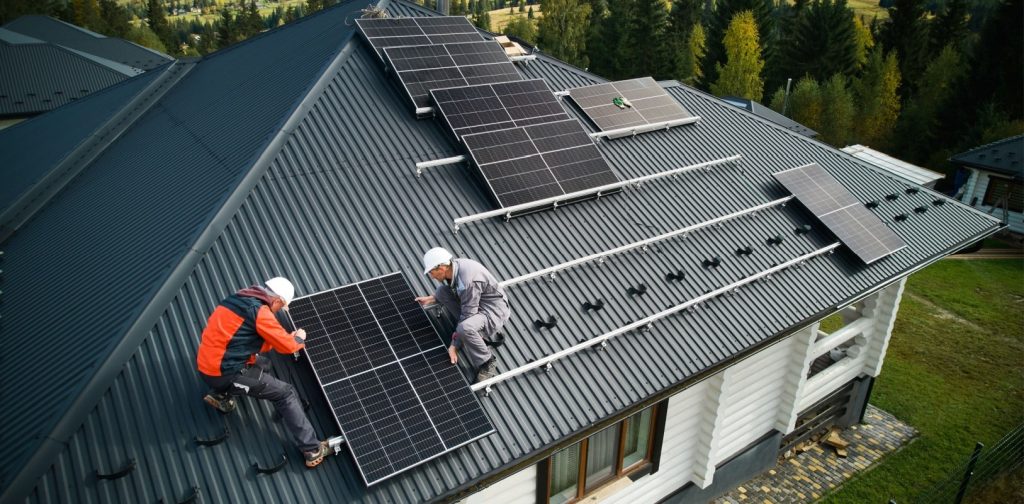
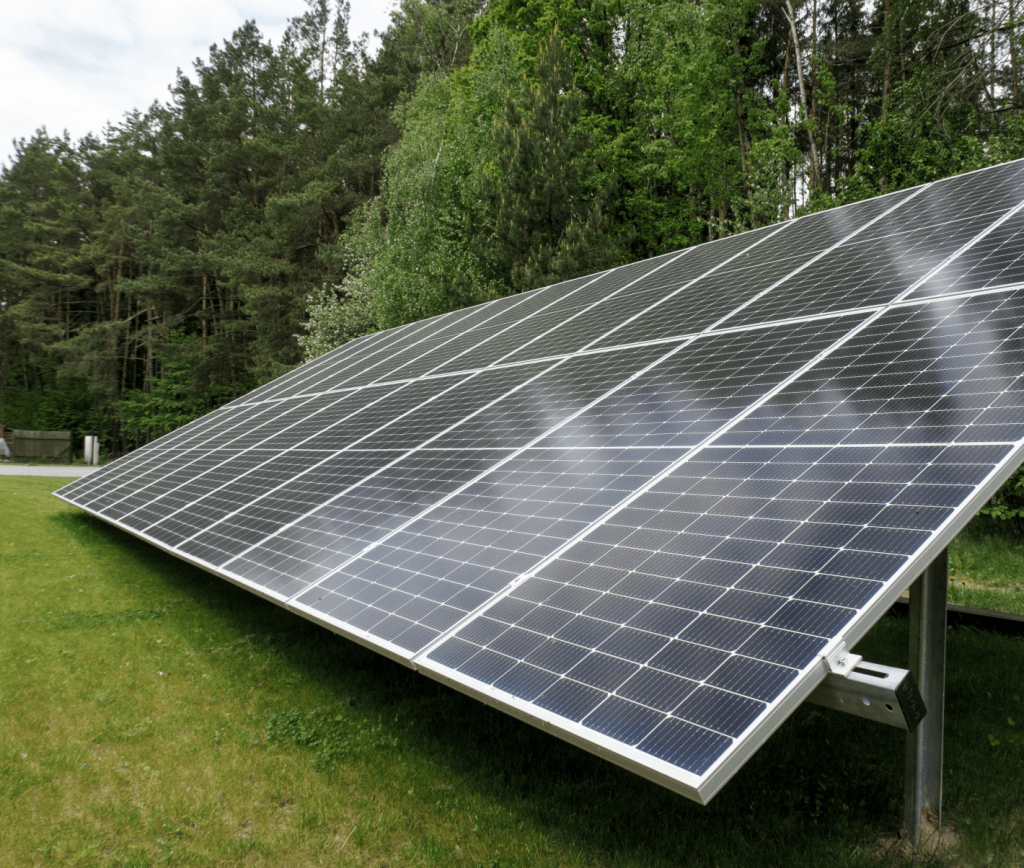
Monocrystalline panels are made from a single continuous crystal structure, which gives them their sleek black appearance and high efficiency. These are often considered the most efficient solar panels on the market today.
Key Features:
- Efficiency ranges from 17% to 22%, making them ideal for limited roof space
- Lifespan of 25 years or more, with slow degradation over time
- Typically more expensive than other options due to higher manufacturing costs
- Perform well in low-light and high-temperature conditions
Homeowners interested in long-term performance and maximum power output often choose monocrystalline panels. They’re especially well-suited for rooftops with minimal space, where every watt counts.
Polycrystalline Solar Panels: A Cost-Effective Alternative
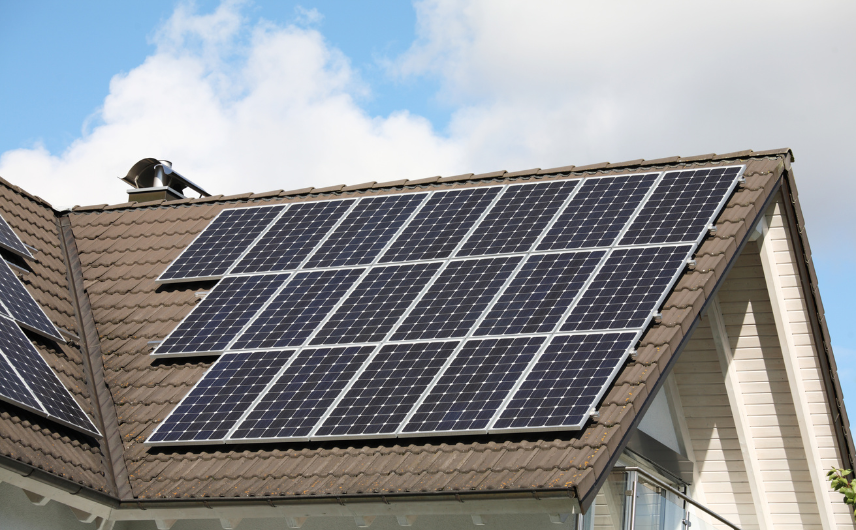
Polycrystalline panels are manufactured by melting multiple silicon fragments together. This more straightforward process lowers production costs, making solar a more budget-friendly option.
Key Features:
- Efficiency ranges from 13% to 17%
- Generally more affordable than monocrystalline panels
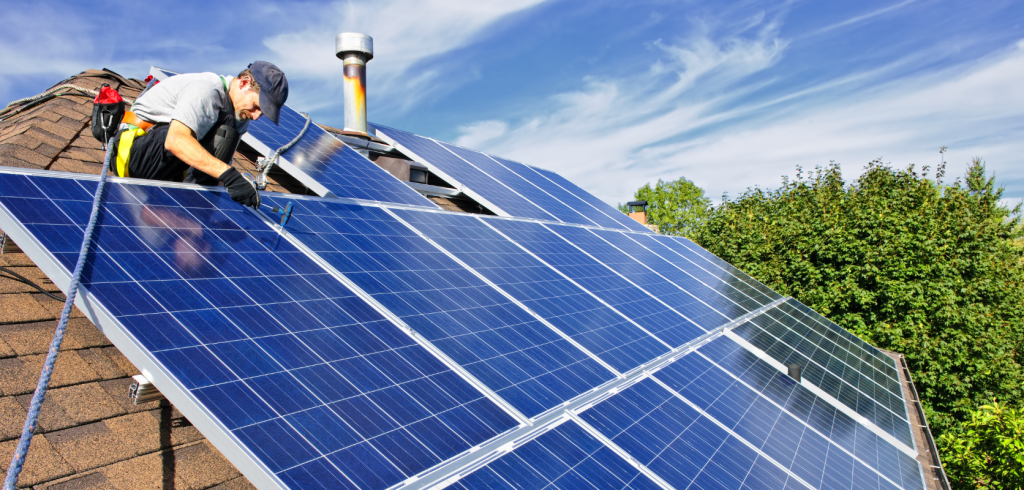
- Distinctive blue finish due to the silicon blend
- Slightly shorter lifespan and reduced performance in high heat
For homes with ample roof space or those looking to keep initial costs low, polycrystalline panels offer a solid middle-ground solution. While they may not produce as much electricity per square metre, they’re a reliable part of many solar energy systems across Canada.
Thin-Film Solar Panels: Lightweight & Flexible
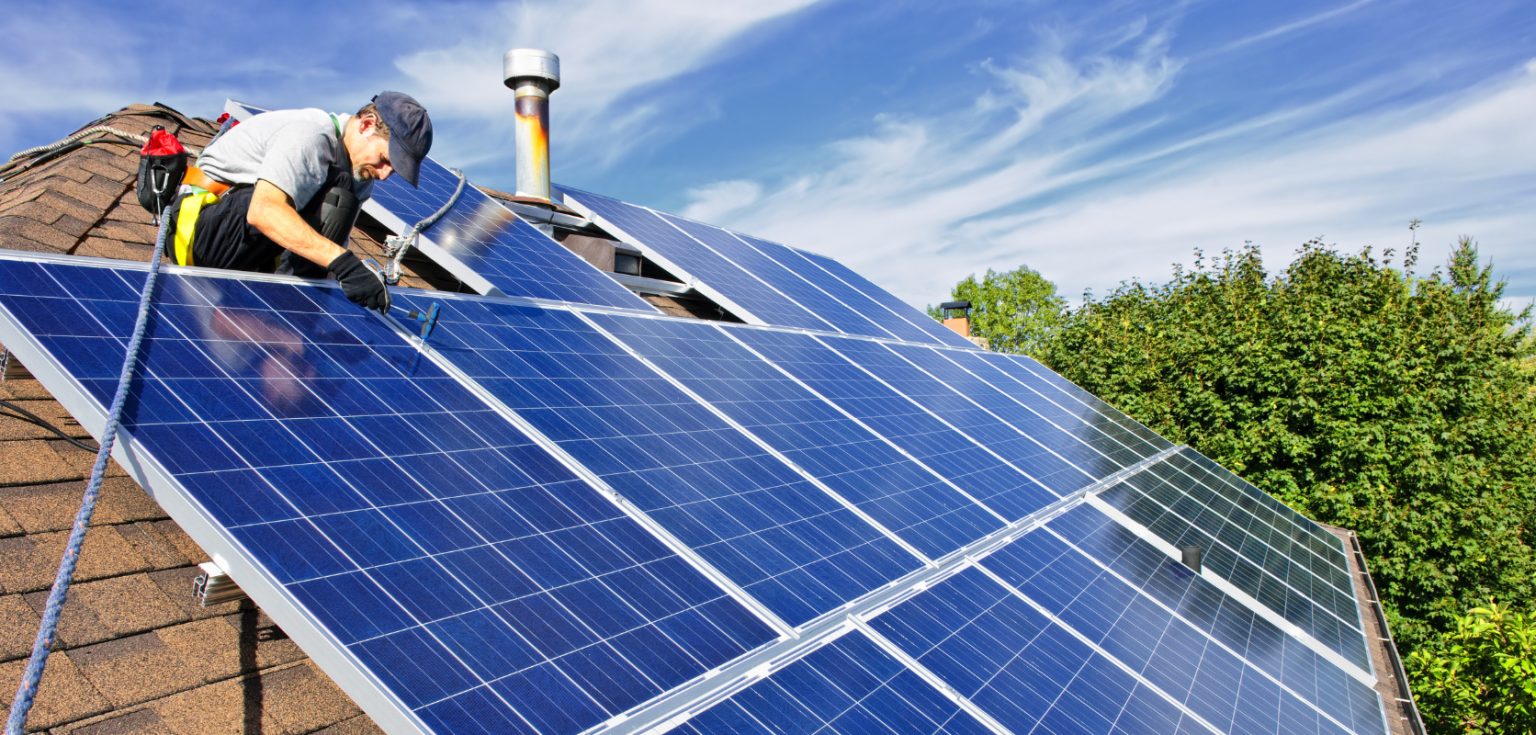
Unlike the rigid designs of crystalline panels, thin-film solar panels are made by depositing photovoltaic materials on a flexible surface. This gives them a sleek, uniform appearance and opens up new installation possibilities.
Key Features:
- Lower efficiency, generally between 10% and 13%
- Lightweight and flexible design makes them suitable for unconventional surfaces
- Shorter lifespan, typically around 10 to 20 years
- Best used in commercial or industrial settings with large surface areas
Thin-film panels can be installed on surfaces that aren’t ideal for traditional panels, such as curved or irregular roofs. While their energy output is lower, their design flexibility makes them a practical option in specific applications.
Comparing the Right Option for Canadian Homes
Choosing between panel types involves more than just efficiency ratings. In Canada, where weather conditions vary significantly by province, it’s important to consider durability, space requirements, and long-term maintenance.
Here’s a quick comparison of the key factors:
Type | Efficiency | Cost | Lifespan | Space Needs |
Monocrystalline | 17–22% | Higher | 25–30 years | Minimal |
Polycrystalline | 13–17% | Moderate | 20–25 years | Medium |
Thin-Film | 10–13% | Lower | 10–20 years | High |
Monocrystalline panels tend to perform better in cold, cloudy climates, making them a strong match for Canadian homeowners, particularly in areas with frequent snowfall. While polycrystalline panels may require more surface area, they remain a reliable option in milder regions. Thin-film panels are less common in residential installations but may be suitable for certain large-scale or niche projects.
Conclusion: Which Type of Solar Panel Is Right for You?
So, what are the different types of solar panels, and how do you choose? The right choice depends on your energy needs, roof size, and budget. Monocrystalline panels offer the highest efficiency and longest lifespan. Polycrystalline panels balance performance and cost. Thin-film panels bring unique flexibility for specific installations.
At Future Solar and Electric, we tailor each solar energy system to fit your home or business. Our team will guide you through selecting the right panel type and ensure a smooth, expert installation from start to finish.
Power Your Home with the Right Solar System
At Future Solar and Electric, we specialize in helping Canadian homeowners take control of their energy future. Whether you’re installing rooftop solar panels, building a full solar energy system, or upgrading your existing setup, we’re here to make it simple. Our experienced team uses high-quality materials, custom designs, and proven techniques to ensure your system meets your goals, today and for years to come.
Reach out now to get a quote and let us help you harness the power of the sun for your home.