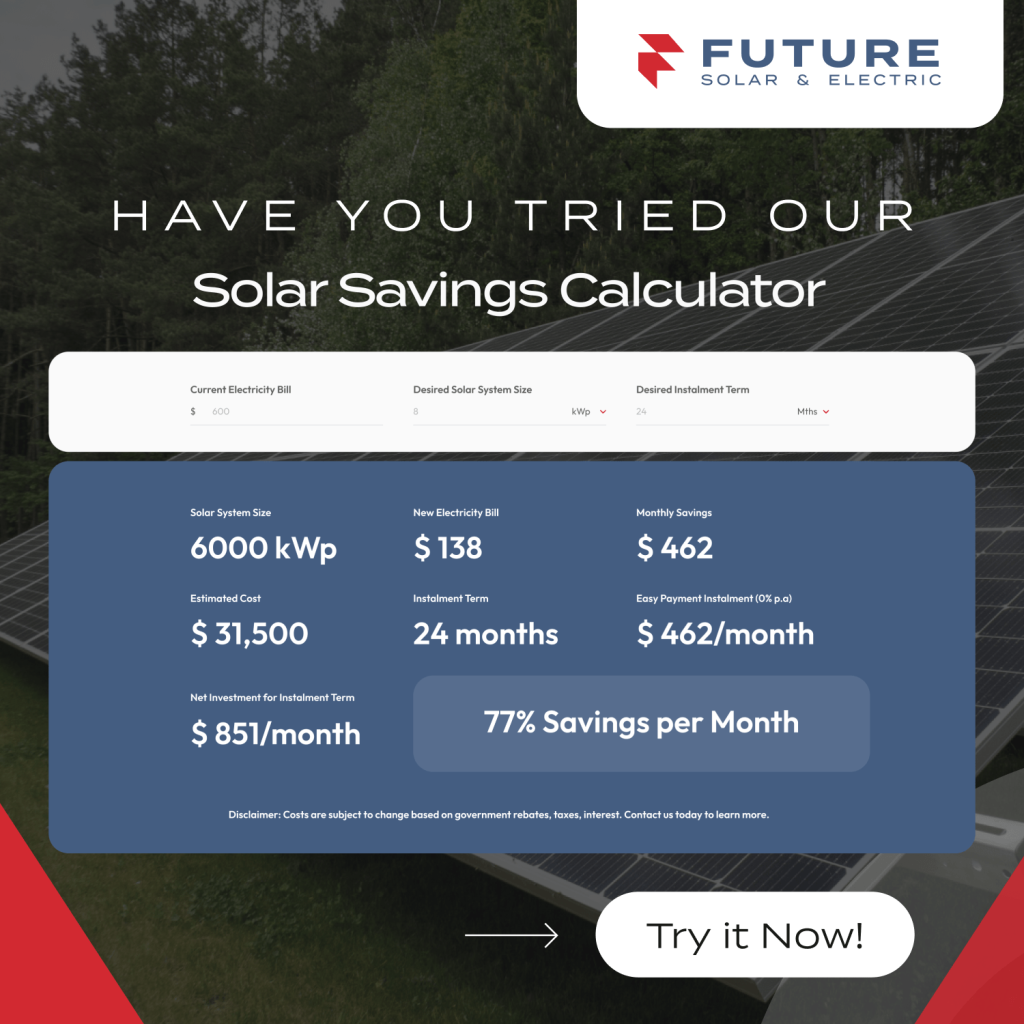
Solar Panel Cost
in Ontario

HOW MUCH DO SOLAR PANELS COST IN ONTARIO?
Solar panel installation in Ontario typically costs between $15,000 and $30,000 for most homes. The final price depends on system size, roof layout, equipment, electrical requirements, and whether battery storage is included. Below, we’ll break down the main cost factors and what homeowners can expect before getting a quote.
Average Solar Panel Cost by System Size
SOLAR PANELS COST IN ONTARIO
Most homes in Ontario install solar systems between 5 kW and 10 kW, based on their annual electricity usage, available roof space, and energy goals.
5 kW System
Best for smaller homes or lower electricity usage.
Estimated output: 5,500–6,000 kWh/year7 kW System
Suitable for many average Ontario homes.
Estimated output: 7,500–8,500 kWh/year10 kW System
Best for larger homes or higher electricity usage.
Estimated output: 10,000–12,000 kWh/yearSystem size is typically based on how much electricity your home uses annually. For example, a home with a monthly hydro bill of $120–$180 will usually fall within the 5 kW to 7 kW range, while higher usage homes may require larger systems. Larger systems cost more upfront but generate more electricity, which can lead to greater long-term savings through net metering. However, system sizing should be based on actual usage rather than maximizing panel count.
Without Solar
- Full reliance on utility power
- Exposure to rising electricity rates
- No long-term energy cost control
With Solar
- Lower monthly electricity bills
- Net metering credits
- Greater long-term energy stability
Get a Custom Solar Cost Estimate
Every home is different. Get an accurate estimate based on your energy usage, roof layout, and installation needs.
The Cost of Solar Panels
What Affects Solar Panel Cost in Ontario
System Size
The size of your solar panel system is the most significant factor affecting the cost.
Larger systems that generate more electricity will naturally cost more. For example, a 7,500-watt system can cost between $18,750 and $26,250, depending on various factors.
Installation Type
Roof-mounted installations are generally more cost-effective compared to ground-mounted systems due to less material and labor requirements.
Roof-mounted systems utilize existing structures, making the installation process simpler and less labor-intensive.
Panel & Inverter Type
Panel Type: Polycrystalline panels are cheaper but less efficient, while monocrystalline panels are more efficient and costly but offer better long-term savings.
Inverter Type: Microinverters are the most expensive but optimize each panel individually. String inverters are more affordable but less efficient if shaded. Power optimizers provide a cost-effective middle ground.
Warranties
Opting for extended warranties on equipment and installation can increase the upfront cost but provides long-term savings and peace of mind. Solar panels typically come with a performance warranty of 25 years, while inverters may have shorter warranties.
Extended warranties cover potential defects and performance issues, ensuring your investment remains protected.
Location & Rebates
Different municipalities in Ontario offer various incentives that can reduce the overall cost.
Programs like Toronto’s Home Energy Loan Program (HELP), Ottawa’s Better Homes Ottawa Loan Program, and Guelph’s Greener Homes Program provide financial support for solar installations.
Expertise & Labour
The experience and reputation of the installation team can affect costs.
Experienced and reputable installers may charge more but provide higher quality installations, reducing future issues and maximizing system efficiency and lifespan.
Solar Panel Installation Rebates
Solar Incentives and
Rebates in Ontario
Solar incentives and rebates can significantly reduce the upfront cost of installing solar panels in Ontario. While programs change over time, there are several options that help improve overall return on investment. Below are some of the key programs available:
The Better Homes Ottawa Loan Program (BHOLP) is a City of Ottawa initiative designed to support home energy efficiency retrofits. Its goal is to help local residents reduce energy consumption and greenhouse gas emissions.
This program allows homeowners to offset their electricity costs by exporting excess solar power back to the grid, providing credits that reduce monthly electricity bills.
Some local utilities and municipalities offer additional rebates and incentives for solar installations. These programs vary by region and can significantly impact the overall cost of your solar project. Contact us to find out more about local rebates that might be applicable for your home or business!

Solar Panel Savings & ROI
How Much Can You Save with Solar Panels in Ontario?
Solar savings in Ontario depend on your electricity usage, system size, roof conditions, and net metering credits. For many homeowners, the biggest value comes from reducing monthly electricity bills over the life of the system.A properly sized residential solar system can often offset a meaningful portion of annual electricity costs. Over 25+ years, that can add up to significant long-term savings, making solar panel installation a smart long-term investment.
These figures are examples only. Your actual solar savings depend on your hydro usage, roof layout, system size, net metering credits, and electricity rates. A custom solar assessment can show your projected annual savings, payback period, and long-term return on investment.
NET METERING CREDITS
How Net Metering Works in Ontario
Net metering is a billing system in Ontario that allows homeowners with solar panels to earn energy credits for the electricity they send back to the grid. When your solar system produces more electricity than your home is using, the excess energy is exported to the grid. Your utility then credits your account for that energy. These credits can be used later when your home needs electricity — such as at night or during winter months. Instead of storing energy with batteries, net metering lets you store value in the form of credits, helping balance your electricity usage over the entire year.
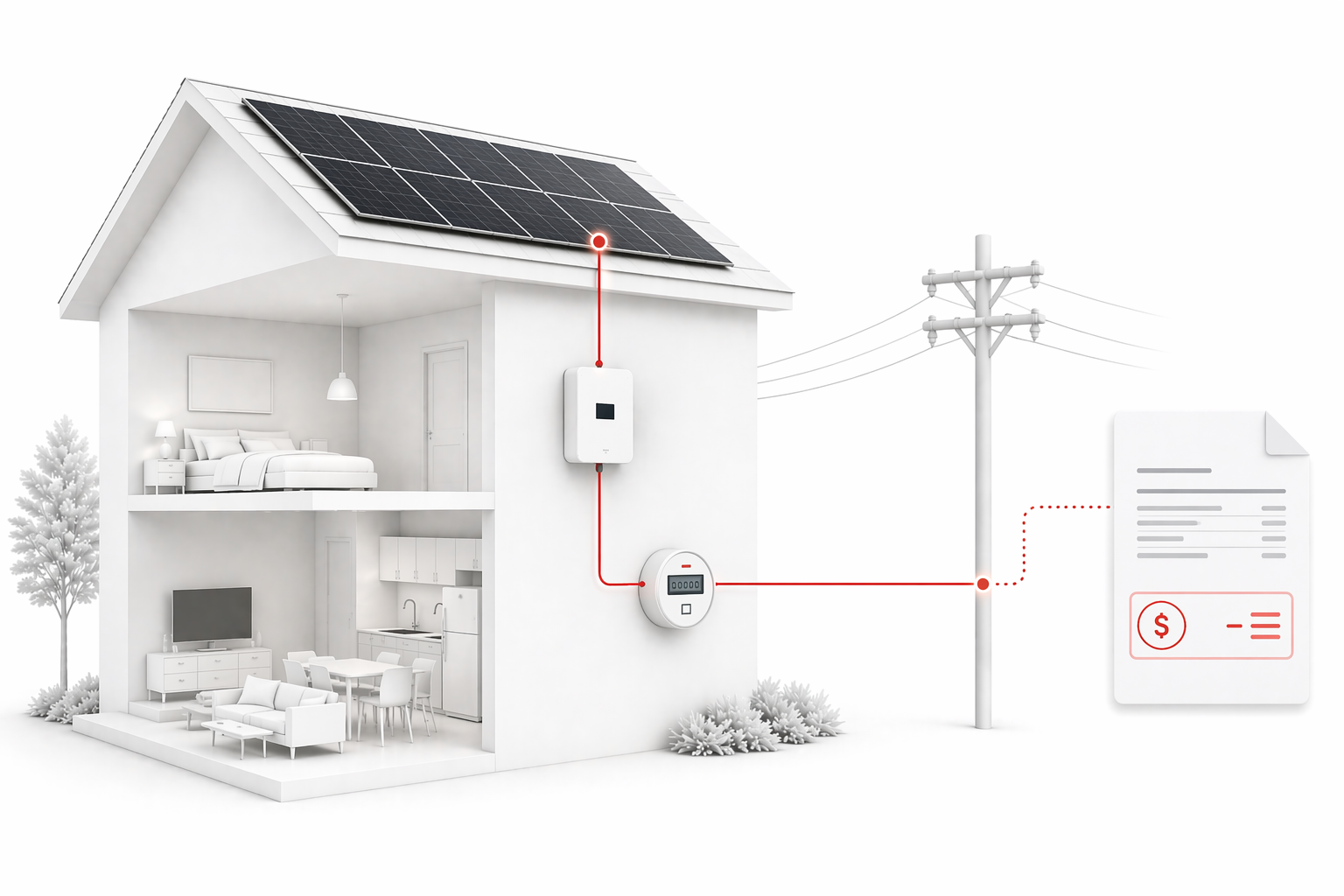
Solar panels generate electricity
Your home uses that electricity
Extra energy is sent to the grid
You receive energy credits
01
Solar panels generate electricity
Your solar panels convert sunlight into electricity while the sun is shining. This electricity can be used to power your home.
02
Your home uses that electricity first
The energy your system produces is used by your home before drawing power from the grid. This helps reduce how much electricity you buy from your utility.
03
Extra energy is sent to the grid
When your system produces more electricity than your home needs, the excess is sent back to the electrical grid.
04
You receive energy credits
Your utility tracks the excess electricity and applies credits to your account. These credits help offset future electricity use.
Should You Switch to Solar?
Benefits of Switching to Solar
Below, we explore the potential savings, return on investment, and additional benefits of going solar.
Savings & ROI
Environmental Impact
Energy Independence
Energy Security
Solar power provides a reliable source of energy during power outages and emergencies, ensuring that homes remain powered even when the grid goes down. This is particularly beneficial in areas prone to natural disasters or frequent power interruptions.
Solar Panel COST FAQs
Frequently Asked Questions
Find answers to all of the frequently asked questions below:
How much do solar panels cost in Ontario?
Solar panel installation in Ontario typically costs between $15,000 and $30,000 for most homes. The exact cost depends on system size, equipment, and installation requirements.
Are solar panels worth it in Ontario?
Yes, for many homeowners. With net metering, long system lifespan, and rising electricity rates, solar can reduce long-term energy costs and provide a strong return on investment.
How much can you save with solar panels?
Savings vary based on energy usage and system size, but many homeowners can offset 60% to 100% of their electricity usage over time.
Are there government rebates for solar panel installation in Ontario?
What is net metering and how does it work?
Net metering allows you to send excess electricity back to the grid in exchange for credits. These credits can be used later when your system isn’t producing enough energy.